
When Your AC Is Working, but the Room Still Feels Hot
Hearing your air conditioner running while the room remains hot can be frustrating, especially during Dubai’s warmer months. The indoor unit may be switched on, the fan might be moving, and air may still come from the vents, but the room temperature does not improve.
An AC running but not cooling does not always mean the entire unit has failed. Sometimes, the cause is as simple as an incorrect remote setting, a blocked vent, or a dirty filter. In other situations, the problem may involve low refrigerant, a frozen cooling coil, a faulty fan motor, or an electrical component. Ignoring the problem can force the system to operate for longer periods while producing little cooling. This may increase electricity consumption and place unnecessary pressure on other components.
In this blog, we will explain ten common reasons an air conditioner continues running without cooling, the checks you can perform safely, and the warning signs that indicate professional inspection is needed.
How Does an Air Conditioner Produce Cold Air?
An air conditioner does not create cold air directly. Instead, it removes heat from the indoor air and transfers it outside. Warm air passes through the filter and over the indoor cooling coil. The refrigerant absorbs the heat, while the fan circulates the cooled air back into the room.
For this process to work properly, the system needs clean filters, unrestricted airflow, sufficient refrigerant, and functioning electrical and mechanical components. A fault in any part of this cooling cycle can reduce performance even when the AC appears to be running normally.
01
The Thermostat or Remote Is Set Incorrectly
Before assuming the system has developed a technical fault, check the remote control and thermostat settings. The unit may have accidentally been changed from cooling mode to fan, dry, or automatic mode. Confirm that cooling mode is selected and that the chosen temperature is below the current room temperature.
You should also check whether a timer, sleep mode, or energy-saving setting is affecting operation. If the remote is not responding properly, replace its batteries and restart the unit. When the settings are correct, but the air remains warm, the problem is likely somewhere else in the system.
02
The Air Filters Are Clogged With Dust
Air filters collect dust, fibre,s and other particles before air enters the indoor unit. As the filter becomes clogged, less air can pass through it. The AC may continue running, but the reduced airflow makes it difficult to cool the room. Dirty filters may also cause weak airflow, unpleasant smells, ls and longer operating cycles.
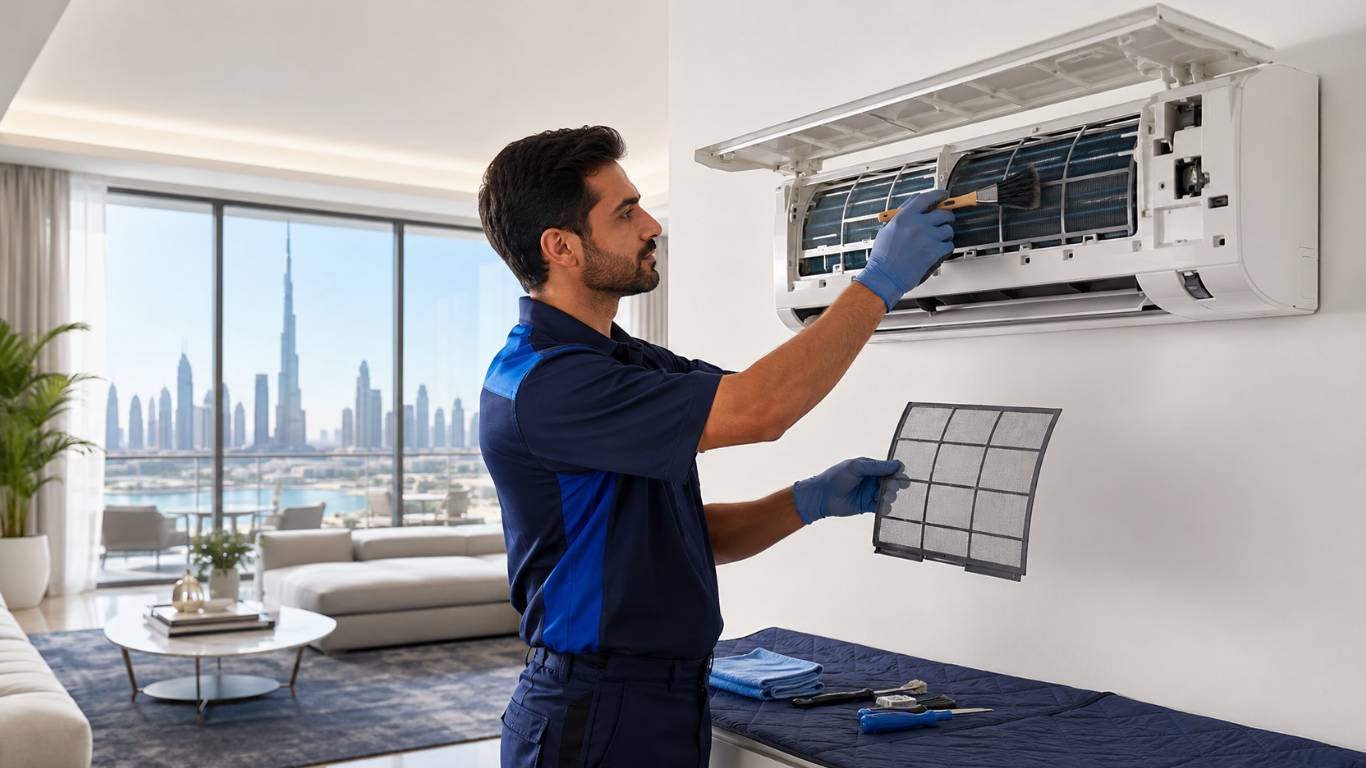
If they remain blocked for too long, the indoor coil may become excessively cold and start developing ice. Remove and inspect accessible filters according to the manufacturer’s instructions. Light dust can usually be cleaned, but damaged or heavily stained filters may require replacement.
03
Furniture or Curtains Are Blocking the Airflow
The AC may be producing cold air without distributing it effectively. Curtains, large furniture, storage boxes, and decorative items placed near the indoor unit can block the intake or prevent cooled air from moving around the room. Check whether anything is positioned directly in front of the unit or covering an air vent.
In properties with ducted air conditioning, make sure supply vents are open and not obstructed. If airflow remains weak after clearing the surrounding area and cleaning the filters, the indoor fan, cooling coil, or ductwork may need inspection from AC repair and maintenance experts.
04
The Indoor Cooling Coil Is Dirty
The evaporator coil inside the indoor unit absorbs heat from the passing air. Dust can gradually settle on the coil, particularly when the filters are not cleaned regularly or do not fit correctly. A dirty coil cannot absorb heat efficiently. This means the unit may keep running without reaching the temperature selected on the thermostat.
You may also notice weak airflow, reduced cooling, or ice forming around the indoor coil and copper pipe. Because the coil is delicate, it should not be scrubbed or cleaned with unsuitable chemicals. Heavy dirt and internal build-up should be handled through professional AC cleaning.
05
The Outdoor Unit Cannot Release Heat Properly
The outdoor unit releases the heat removed from your property. When its condenser coil is covered with dust, sand, leaves,s or debris, the system may struggle to complete the cooling cycle. This problem is common when outdoor equipment is installed in a tight space with limited ventilation.
Items stored around the unit can also restrict airflow and trap heat. Look at the outdoor unit from a safe distance. Make sure nothing is blocking it and check whether the fan appears to be operating. Do not remove its panels or touch any internal electrical components.
06
The Refrigerant Level Is Low
Refrigerant circulates through the air-conditioning system, transferring heat from inside the property to the outdoor unit. Because it moves through a sealed circuit, a low level often suggests leakage. Common symptoms include lukewarm air, ice on the copper pipes, hissing sounds, ds and unusually long cooling cycles.
The room may cool slightly but never reach the selected temperature. Adding refrigerant without checking for leakage is not a complete solution. The affected area should first be identified and repaired. Refrigerant work also requires suitable tools and knowledge of the unit’s specifications.
07
Ice Has Formed on the Evaporator Coil
Ice forming on the indoor coil prevents it from absorbing heat. The unit may initially produce weak cooling and then begin blowing warmer air as the ice spreads. A frozen coil can result from clogged filters, restricted airflow, low refrigerant, or a faulty indoor fan.
When the ice melts, water may also begin dripping from the unit. If you notice ice, switch the cooling function off and allow the system to defrost naturally. Do not scrape the coil or try to break the ice. If freezing returns after cleaning the filters, arrange a technical inspection from an AC expert as soon as possible.
08
The Indoor or Outdoor Fan Is Faulty
Air-conditioning systems usually rely on an indoor fan to circulate cooled air and an outdoor fan to release heat. If either fan becomes weak or stops working, cooling performance can fall significantly. A faulty fan may produce humming, buzzing, rattling, or grinding sounds.
Air from the indoor unit may feel cool, but come out with very little force. Alternatively, the outdoor unit may appear to be running while its fan remains still. The cause could be a worn fan motor, damaged blade, failed capacitor, or loose electrical connection. These parts should be tested rather than replaced based only on visible symptoms.
09
Cooled Air Is Escaping Through Damaged Ductwork
Central and ducted systems carry cooled air through ducts located above ceilings or behind walls. If a duct becomes loose, damaged,d or poorly sealed, cold air can escape before reaching the intended room. Duct leakage may cause one area to remain warmer than others.
You might also notice weak airflow from selected vents, dust entering the rooms, or whistling sounds from the ceiling. Because much of the ductwork is concealed, a technician may need to inspect accessible connections, insulation, airflow, and possible leakage points.
10
The Compressor or an Electrical Component Has Failed
The compressor moves refrigerant through the cooling system. If it cannot start or operate properly, the fans may continue running while the unit produces little or no cold air. However, a lack of cooling does not automatically confirm compressor failure. A faulty capacitor, sensor, thermostat, wire, or control board can produce similar symptoms.
Accurate testing is necessary before recommending a major part replacement. Warning signs can include repeated clicking, loud humming, frequent switching, tripped circuit breaker,s or an outdoor unit that fails to start. If these symptoms appear, switch the system off and avoid repeatedly restarting it.
Why Cooling Problems Are Common in Dubai
Air conditioners in Dubai often operate for long periods and face demanding environmental conditions. High outdoor temperatures make it more difficult for the system to release heat, while dust and sand can collect on filters, coils, and outdoor equipment. Cooling performance can also be affected by large windows, poor insulation, frequently opened doors,ors or an AC unit that is not correctly sized for the room.
A unit may be mechanically functional but still struggle because the cooling load is greater than its capacity. Regular cleaning and timely inspection become particularly important when the system is used heavily throughout the year.
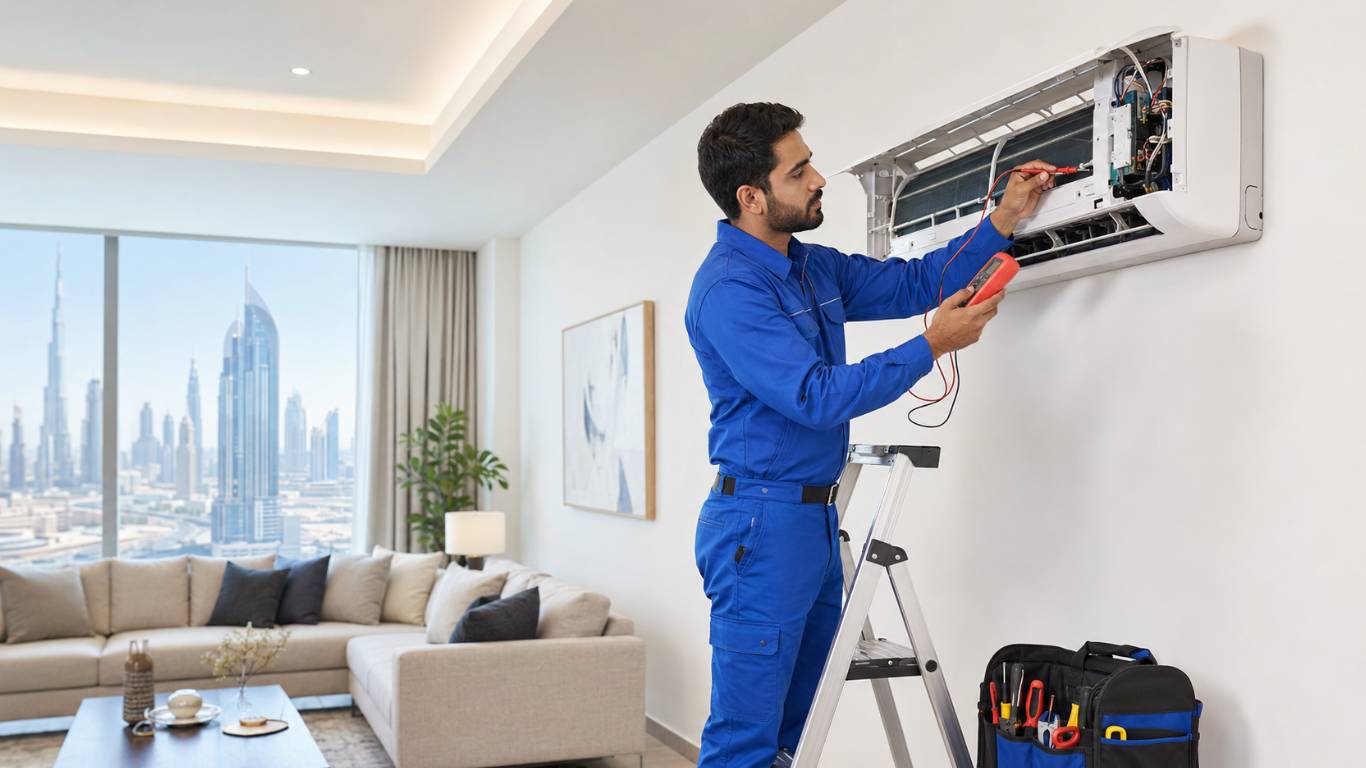
What Can You Check Safely Before Calling a Technician?
Homeowners can perform a few basic checks without opening the unit or touching internal components:
After completing these checks, allow the AC some time to cool the room. If the air remains warm or the same issue returns, the problem is likely to require technical diagnosis.
When Should You Stop Using the AC?
Switch the unit off if you notice a burning smell, smoke, sparks, heavy water leakage near electrical connections, or repeated circuit-breaker trips. Loud grinding sounds and recurring ice formation should also not be ignored. Continuing to operate the system under these conditions may worsen the original fault. Booking professional AC repair in Dubai allows the cooling, electrical,l and airflow components to be checked before additional damage develops.
What Will an AC Technician Inspect?
A proper inspection should identify the cause rather than relying only on the visible symptoms. Depending on the AC type and condition, the technician may examine the filters, coils, fans, capacitors, thermostat, sensors, drainage system, em and electrical connections.
The inspection may also include measuring temperature differences, checking refrigerant pressure,e and testing compressor operation.
For ducted units, airflow and accessible duct connections may require additional attention. This structured diagnosis helps determine whether the system only requires cleaning and adjustment or whether a specific component needs repair.
How Can You Prevent the Problem From Returning?
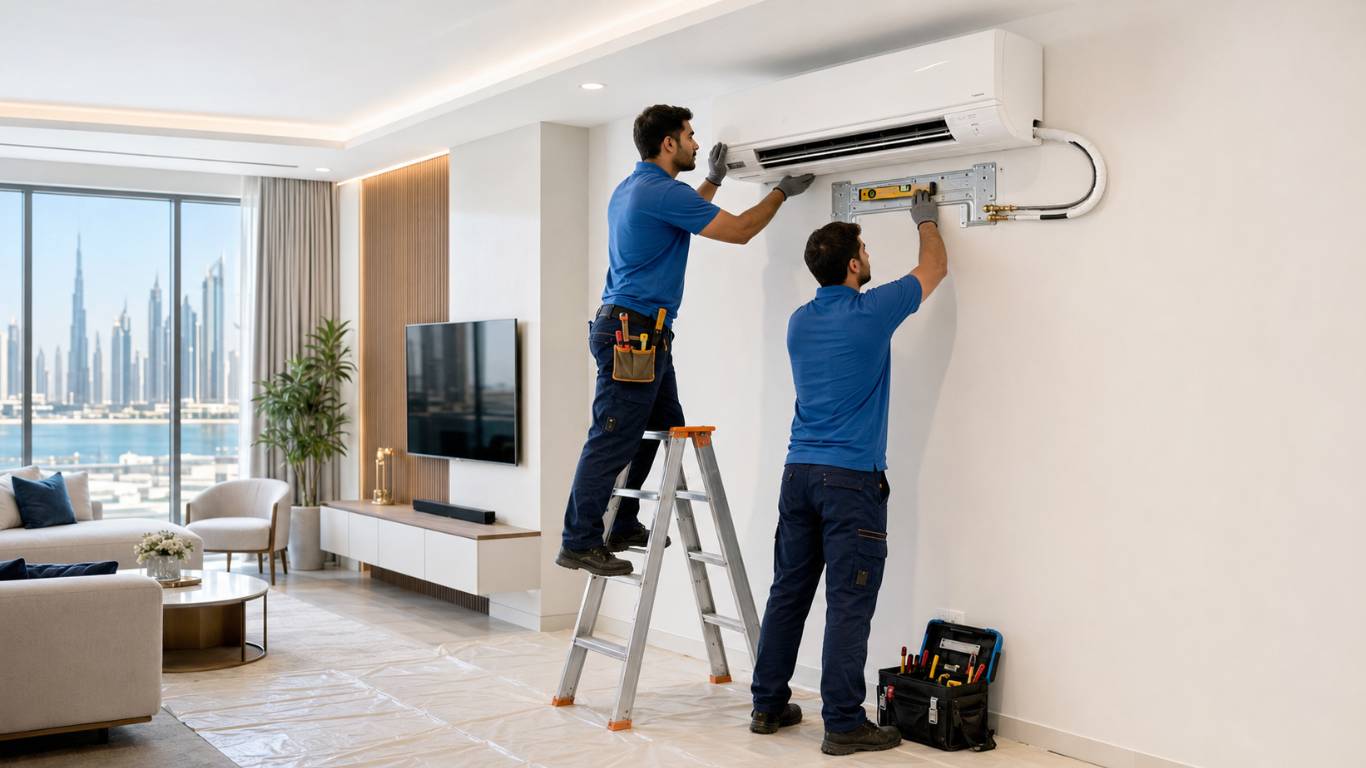
Preventive care can help an air conditioner maintain steady cooling and reduce unexpected breakdowns. Clean the filters regularly, keep vents unobstructed, and make sure the outdoor unit has sufficient space for airflow. Pay attention to early changes in performance. Weak airflow, unusual noises, longer cooling cycle,s and minor water leakage often appear before the unit stops cooling completely.
Arranging an inspection at an early stage can prevent a smaller issue from affecting multiple components. Avoid forcing the system to run continuously at extremely low temperature settings. A suitable temperature, clean airflow path, and regular maintenance can improve both comfort and overall system performance.
Restore Comfortable Cooling Before the Problem Gets Worse
An air conditioner that runs without cooling may have a simple airflow problem or a more serious refrigerant, electrical, or mechanical fault. Begin by checking the remote settings, filters, and surrounding airflow. If cooling does not improve, avoid opening the equipment or attempting electrical repairs yourself.
AtoZ Appliances Repair provides home appliance repair in Dubai for residential and commercial customers. Professional inspection can identify why the unit is not cooling and determine the appropriate repair before the issue causes further inconvenience.