
The Component That Keeps Your AC Cooling
The compressor is one of the most important components in an air-conditioning system. Located within the outdoor unit, it circulates refrigerant between the indoor and outdoor coils so heat can be removed from your property. When the compressor begins to struggle, the AC may still appear to be working. The indoor fan might run, air may come from the vents and the outdoor unit may produce noise.
However, the room may take longer to cool or receive no cold air at all. Compressor-related problems should be investigated early. A compressor operating under excessive heat, unstable electrical conditions, or incorrect refrigerant pressure may eventually stop working. However, poor cooling does not automatically mean the compressor has failed. Capacitors, contactors, fan motors, thermostats, and control boards can produce similar symptoms. In this blog, we will explain nine common signs your AC compressor is failing, what can cause compressor problems, how technicians diagnose them, and when repair or replacement may be required.
What Does an AC Compressor Do?
The compressor is responsible for moving refrigerant through the air-conditioning system. It increases the pressure and temperature of the refrigerant before sending it toward the outdoor condenser coil, where collected indoor heat is released. Once the heat is removed, the refrigerant continues through the system and returns to the indoor evaporator coil.
This process repeats until the room reaches the selected temperature. If the compressor cannot start, maintain pressure or circulate refrigerant correctly, the AC cannot complete its normal cooling cycle. The fans may continue running, but the air coming from the indoor unit will not be sufficiently cold.
The AC Is Blowing Warm Air
Warm or lukewarm air is one of the most noticeable signs of a cooling-system problem. If the thermostat is set correctly and the filters are clean, the compressor may not be circulating refrigerant as required. However, warm air can also result from low refrigerant, dirty coils, thermostat problems or a faulty outdoor fan.
The complete system should be inspected before the compressor is identified as the cause. Notice whether the AC begins with cool air and gradually becomes warm or produces warm air from the moment it starts. This information can help the technician understand how the fault develops during operation.
The Fans Run, but the Compressor Does Not Start
The indoor and outdoor fans can operate even when the compressor is not running. You may hear the system start and feel air from the vents, but the room temperature remains unchanged. From a safe distance, you might notice that the outdoor fan is turning without the deeper operating sound normally produced by the compressor.
Alternatively, the compressor may attempt to start and then stop. This does not always mean the compressor itself is damaged. A failed capacitor, contactor, sensor or electrical connection may prevent it from receiving the power needed to start. Proper electrical testing is required to identify the responsible component.
You Hear Clicking, Humming, or Grinding Sounds
An air conditioner should not produce loud or unfamiliar sounds when starting or running. Repeated clicking may indicate that the compressor is trying unsuccessfully to start. A strong humming sound can point to an electrical or mechanical starting problem.
Grinding, rattling, or metallic sounds may indicate internal wear, loose mounting, or another damaged component inside the outdoor unit. Switch the AC off if the sound is severe or accompanied by a burning smell. Continuing to force the compressor to start may increase the damage.
Try to note:
- When the sound begins
- Whether it comes from the indoor or outdoor unit
- How long will it continue
- Whether cooling stops when the sound appears
- Whether the circuit breaker trips afterward
These details can make the diagnostic process more efficient.
The AC Switches On and Off Repeatedly
Short cycling happens when an air conditioner starts, runs briefly, and switches off before properly cooling the room. It may restart again after a short period and repeat the same pattern. This repeated operation places pressure on the compressor because starting requires more effort than maintaining a normal cooling cycle.
Short cycling can be caused by:
- An overheating compressor
- A failing capacitor or contactor
- Incorrect refrigerant pressure
- A dirty condenser coil
- Thermostat or sensor problems
- An oversized AC unit
- Unstable electrical supply
Because there are several possible causes, short cycling should be diagnosed rather than treated as automatic proof of compressor failure.
The Circuit Breaker Keeps Tripping
A circuit breaker is designed to interrupt power when it detects an unsafe electrical condition. If the breaker trips each time the compressor attempts to start, the system may be drawing more current than expected. A compressor with damaged internal windings, mechanical resistance or a starting problem can cause repeated trips.
Faulty wiring, capacitors and other electrical components can create similar behaviour. Do not repeatedly reset the breaker and restart the AC. This can expose the system to further electrical stress. Switch the unit off and arrange an inspection to identify why the protective device is activating.
The Outdoor Unit Is Overheating
The compressor naturally becomes warm during operation, but excessive heat can affect its performance and trigger protective shutdowns. The unit may cool normally for a short time and then stop, particularly during the hottest part of the day. Overheating may result from dirty condenser coils, restricted outdoor airflow, a faulty condenser fan, low refrigerant or prolonged operation under heavy demand.
Make sure stored items, leaves and other objects are not blocking the outdoor unit. Do not touch the equipment or remove its panels to check the temperature. Internal components and refrigerant pipes may be extremely hot.
Your Electricity Consumption Has Increased
A struggling compressor may run for longer periods while producing less cooling. This can increase electricity consumption even when your temperature settings and daily routine have not changed. The AC may also start and stop repeatedly or operate continuously because the room cannot reach the selected temperature.
An increased bill alone does not confirm compressor trouble. Open doors, dirty filters, direct sunlight and seasonal temperature changes can all affect energy consumption. The increase becomes more concerning when it appears alongside poor cooling, unusual noise or frequent cycling.
Cooling Becomes Inconsistent During the Day
A weakening compressor may perform differently depending on outdoor temperature and operating pressure. The AC might cool reasonably well during the morning but struggle during the hotter afternoon hours. You may also notice that cooling begins normally and weakens after the system has been running for some time.
In some cases, the unit switches off to protect itself from overheating and starts again after cooling down. Inconsistent performance may also come from dirty coils, sensors, fan problems or incorrect refrigerant levels. A technician should test the system under operating conditions rather than inspecting it only while switched off.
The Outdoor Unit Vibrates or Shakes Excessively
Some movement and operating noise are normal, but strong vibration or shaking during start-up may indicate a compressor mounting or mechanical problem. Loose supports, damaged fan blades, and unbalanced motors can also cause vibration.
The source should be identified before it damages refrigerant pipes, electrical connections, or other nearby components. Switch the system off if the outdoor unit moves significantly, produces metallic noise, or appears unstable. Avoid attempting to hold or reposition it while it is operating.
Why Do AC Compressors Fail?
Compressors are designed for long-term operation, but several conditions can shorten their working life. In Dubai, extended running hours, high outdoor temperatures, and dust around condenser units can place additional pressure on the cooling system.
Common contributing factors include:
- Dirty condenser coils are trapping heat
- Low refrigerant caused by leakage
- Excess refrigerant or incorrect pressure
- Faulty capacitors and electrical components
- Unstable voltage or damaged wiring
- Poor airflow around the outdoor unit
- Repeated short cycling
- Lack of scheduled maintenance
- Normal wear after extended service
A compressor failure may sometimes be the final result of another unresolved problem. Replacing it without addressing the original cause could place the new component at risk.
What Should You Do When You Notice These Signs?
If cooling performance changes, start with safe basic checks. Confirm the thermostat setting, inspect accessible filters and remove objects blocking indoor or outdoor airflow. Switch the unit off and arrange technical help if you notice:
Do not open the outdoor unit, touch electrical connections or attempt to test the capacitor. These components can remain hazardous even after the power has been disconnected.
Can an AC Compressor Be Repaired?
The answer depends on the exact fault. Some problems described as compressor issues are actually caused by an external capacitor, contactor, wire or control component. Repairing the affected part may restore normal compressor operation. If the compressor has severe internal mechanical damage or failed windings, replacement may be required.
The technician should also consider the unit’s age, refrigerant type, overall condition and cost of the proposed work. Professional AC compressor repair should include clear diagnosis before any major part is replaced. Customers should understand whether the recommendation involves repairing an external component, replacing the compressor or considering the condition of the entire AC system.
How Is a Compressor Problem Diagnosed?
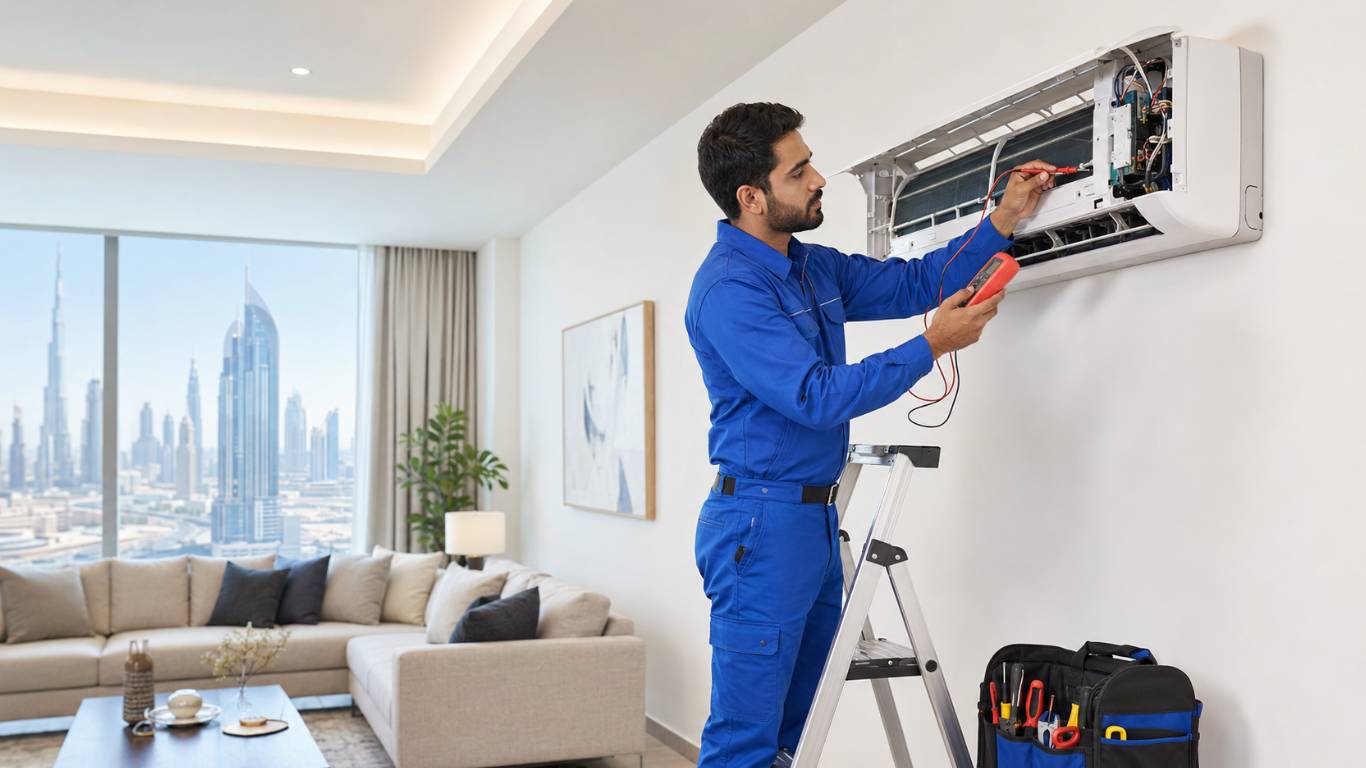
A professional diagnosis should evaluate the complete cooling and electrical system. The technician may inspect the condition of the filters, coils, fans, wiring and refrigerant circuit before focusing on the compressor.
Testing can include checking:
- Compressor starting and running current
- Capacitor condition
- Contactor and electrical connections
- Refrigerant pressure
- Temperature differences
- Compressor winding resistance
- Outdoor fan operation
- Thermostat and control signals
- Signs of overheating or leakage
These checks help determine whether the compressor is damaged or another component is preventing it from operating correctly.
How Can Compressor Problems Be Prevented?
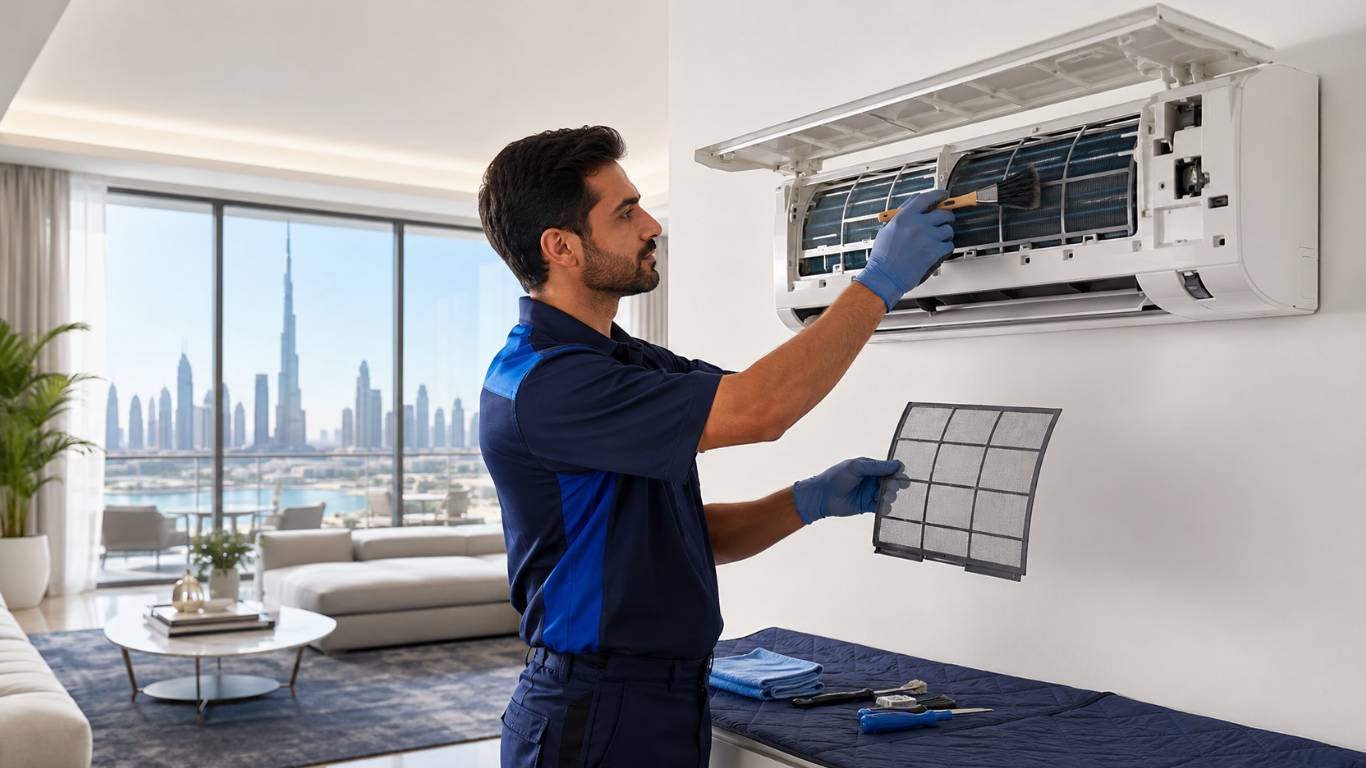
Not every compressor fault can be prevented, but proper maintenance can reduce avoidable stress. Keep filters clean and make sure indoor vents remain open. The outdoor unit should have enough surrounding space to release heat. Dust and debris should not be allowed to build up heavily around the condenser.
Arrange inspection when you notice weak cooling, water leakage, repeated switching or unusual noise. Refrigerant and electrical faults should be addressed early rather than allowing the compressor to continue operating under difficult conditions. A stable temperature setting also helps reduce unnecessary starts and extended operation. Avoid repeatedly switching the AC on and off or forcing it to maintain an unrealistically low indoor temperature.
Do Not Ignore the Early Signs of Compressor Trouble
Warm air, hard starting, repeated circuit trips, and unusual outdoor-unit noises can indicate a developing compressor problem. They can also point to less serious faults involving capacitors, fans, sensors, or electrical connections.
Accurate diagnosis is therefore essential before deciding whether the compressor needs repair or replacement. The Dubai appliance repair experts at AtoZ Appliances Repair can inspect residential and commercial air-conditioning systems, identify the cause of poor cooling, and recommend an appropriate solution based on the unit’s actual condition.