
A Comfortable Home Should Not Come With a Shocking Bill
Air conditioning is responsible for a significant part of household electricity use in Dubai. During hotter months, the system may operate throughout the day to maintain a comfortable indoor temperature. While some increase in electricity consumption is expected, an unusually high bill may indicate inefficient usage, restricted airflow, or an AC system that needs attention. Many people respond to hot indoor conditions by selecting the lowest possible temperature. However, this does not necessarily cool the room faster. It often causes the system to run for longer, increasing electricity consumption without providing a noticeable improvement in comfort.
Small changes to temperature settings, filter cleaning, room usage, and sunlight control can make the cooling system more efficient. Technical problems such as dirty coils, refrigerant leakage, weak fan motors, and incorrect thermostat readings should also be addressed before they place additional pressure on the unit. In this blog, we will explain how to reduce AC electricity bill in Dubai through practical adjustments, timely maintenance, and early identification of cooling problems without making your home feel uncomfortably warm.
Is Water Formation Inside an AC Normal?
An air conditioner uses more electricity when it has to run for longer periods to reach and maintain the selected temperature. This is common during extreme outdoor heat, but it can also result from open doors and windows, direct sunlight, poor insulation, or an AC system that is no longer operating efficiently.
Higher electricity consumption is often caused by clogged filters, dirty indoor or outdoor coils, refrigerant or compressor problems, weak fan performance, incorrectly sized AC units, or poor insulation and ductwork that allow cooled air to escape. The first step in reducing energy use is identifying whether the increase is due to seasonal demand, household habits, or an underlying technical issue.
Choose a Comfortable and Realistic Temperature
Setting the thermostat extremely low can keep the compressor operating for longer without cooling the room any faster. Instead, select a stable temperature that keeps the property comfortable without forcing continuous operation. Many households find a setting between 23°C and 25°C comfortable, although the right temperature depends on personal preference, humidity, room size, and insulation. Avoid changing the setting every few minutes.
Give the system enough time to reach the chosen temperature. A stable setting usually allows the AC to complete more consistent cooling cycles. When leaving the property for a short period, raise the temperature slightly instead of turning the unit completely off and returning to an extremely hot room.
Do Not Use the Lowest Setting for Faster Cooling
A common misunderstanding is that setting the AC to 16°C will cool the room faster than setting it to 23°C. Most systems cool at the same operating rate regardless of the selected temperature. The lower setting only tells the AC to continue working until it reaches a much colder target.
In Dubai’s heat, the system may struggle to achieve that temperature and continue running for extended periods. If the room does not feel cool at a reasonable setting, check the filters, airflow, and doors before lowering the temperature further. Persistent poor cooling may indicate a maintenance or repair issue.
Clean the Air Filters Regularly
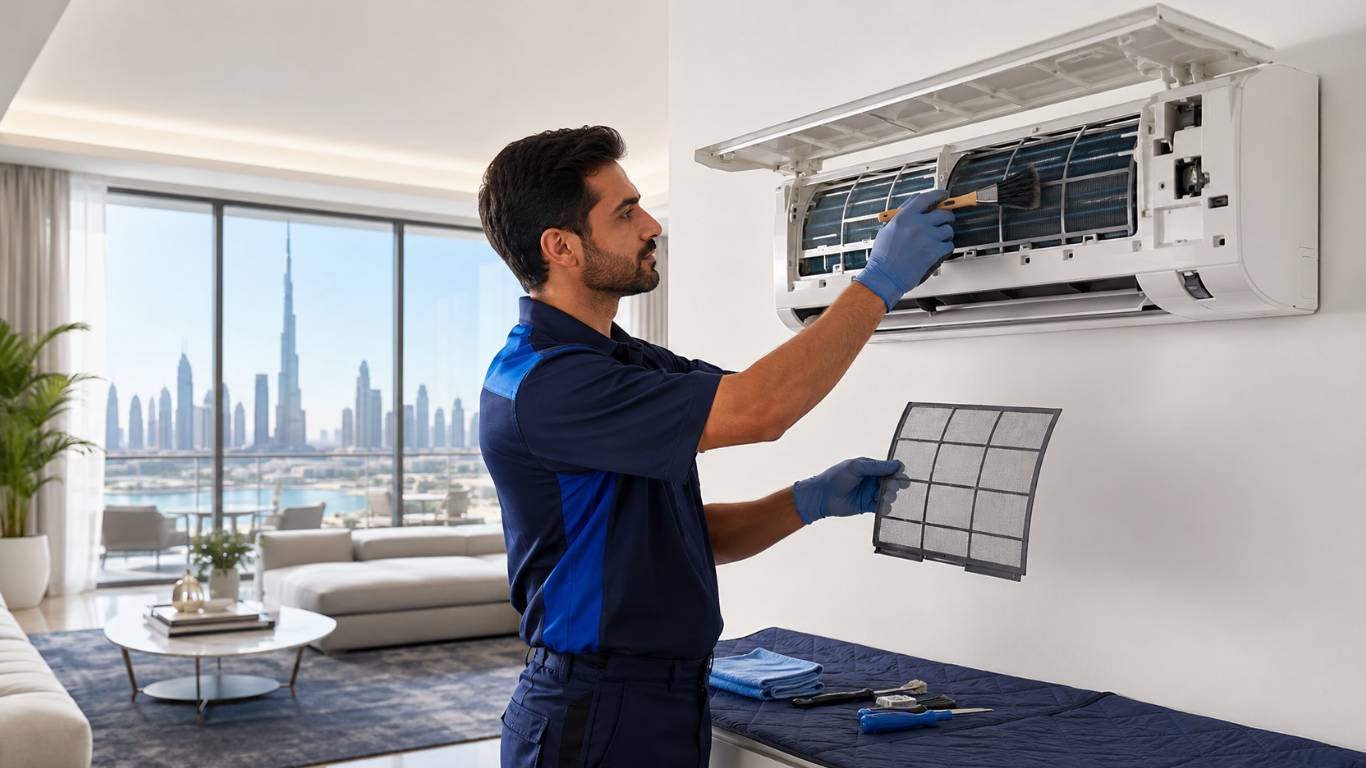
A dirty filter blocks the movement of air through the indoor unit. The fan and cooling system must then operate for longer to circulate enough cold air around the room. During periods of heavy AC use, inspect accessible filters every two to four weeks. Homes with pets, nearby construction, frequent cooking or high dust levels may require more frequent cleaning.
When cleaning filters:
- Switch the AC off.
- Remove only easily accessible filters.
- Clean them according to the manufacturer’s instructions.
- Allow washable filters to dry completely.
- Reinstall them in the correct position.
Filters that are damaged, heavily stained or no longer fit properly should be replaced.
Keep Vents and Indoor Units Unobstructed
Furniture, curtains, and storage items can prevent cooled air from circulating in the room. When airflow is blocked, some areas remain warm, and users often lower the temperature to compensate. Make sure curtains do not cover the indoor unit and avoid placing large furniture directly in front of supply vents. In ducted systems, check that the vents are open and free from visible dust. Improving air circulation can make the room feel cooler without requiring a lower thermostat setting.
Keep Doors and Windows Properly Closed
Cold air escaping through an open window or poorly sealed door forces the AC to replace the lost cooling continuously. Warm and humid outdoor air also enters the room, adding to the system’s workload. Inspect frequently used balcony doors, sliding windows and entrance doors. Worn seals or visible gaps may allow cooled air to escape even when they appear closed.
Family members and staff should avoid leaving external doors open while the AC is operating. In commercial properties, automatic door closers or suitable entrance arrangements may help reduce repeated cold-air loss.
Reduce Heat Entering Through Windows
Direct sunlight can quickly raise indoor temperatures, particularly in rooms with large windows. The AC must then remove both the existing indoor heat and the additional heat entering through the glass.
You can reduce this cooling load by using:
- Curtains or blinds during the hottest part of the day
- Suitable window films
- Shading for windows exposed to direct sunlight
- Well-fitted curtains that do not block AC vents
- Improved window seals where air gaps are present
Rooms that receive strong afternoon sunlight may require different temperature and airflow management from shaded areas of the property.
Use Ceiling and Portable Fans Correctly
Fans do not lower the room temperature, but they improve air movement and can make occupants feel more comfortable. This may allow you to use a slightly higher AC setting without the room feeling warm. Use fans in occupied rooms and turn them off when the space is empty. Running fans in unused areas adds electricity consumption without improving comfort for anyone. Make sure the fan supports the AC airflow rather than creating an uncomfortable draft. In large rooms, proper fan placement can help distribute cooled air more evenly.
Avoid Adding Unnecessary Heat Indoors
Lighting, ovens, computers and other equipment release heat into the room. The AC must remove this heat to maintain the selected temperature. Simple ways to reduce indoor heat include switching off unused lights, limiting oven use during the hottest hours and turning off electronic equipment that is not needed.
In offices and commercial spaces, multiple computers, lighting fixtures and appliances can create a considerable cooling load. Improving equipment usage and ventilation may reduce pressure on the air-conditioning system.
Use Timers and Programmable Controls
Timers and programmable thermostats can help prevent the AC from operating unnecessarily. Instead of leaving the system at the same low setting throughout the day, you can adjust the operation according to occupancy. For example, the AC can maintain a slightly higher temperature when the property is empty and return to a comfortable setting before occupants arrive. Make sure the thermostat is installed away from direct sunlight, lamps, and heat-producing appliances. Heat near the sensor can make it believe the room is warmer than it actually is, causing longer cooling cycles.
Keep the Outdoor Unit Clear
The outdoor unit releases the heat collected from inside the property. If it is surrounded by stored items, leaves, dust or other obstructions, heat cannot escape efficiently. Check the area around the unit and remove loose objects that may restrict ventilation. Do not cover the unit or place items directly against it. Heavy coil cleaning and internal inspection should be handled professionally. The condenser fins and electrical components can be damaged by unsuitable tools or excessive water pressure.
Arrange Preventive AC Maintenance
Regular servicing helps the AC operate more efficiently by keeping important cooling and airflow components in suitable condition. Professional maintenance may include:
- Cleaning the evaporator and condenser coils
- Inspecting filters and airflow
- Clearing the condensate drainage system
- Checking fan motors and capacitors
- Testing thermostat and sensor operation
- Inspecting electrical connections
- Evaluating refrigerant performance
- Checking copper pipe insulation
Maintenance is especially important before peak summer use, when the system is likely to operate for longer periods.
Repair Cooling Problems Before They Increase Consumption
An inefficient AC may continue running for hours while producing limited cooling. This extended operation increases electricity consumption and may place additional strain on other components.
Arrange an inspection if you notice:
- The AC is running continuously
- Weak or warm air from the vents
- Some rooms are remaining warmer than others
- Ice forming on the indoor unit or pipes
- Water is leaking from the AC
- Unusual buzzing, rattling, or grinding
- Frequent starting and stopping
- A sudden, unexplained increase in electricity use
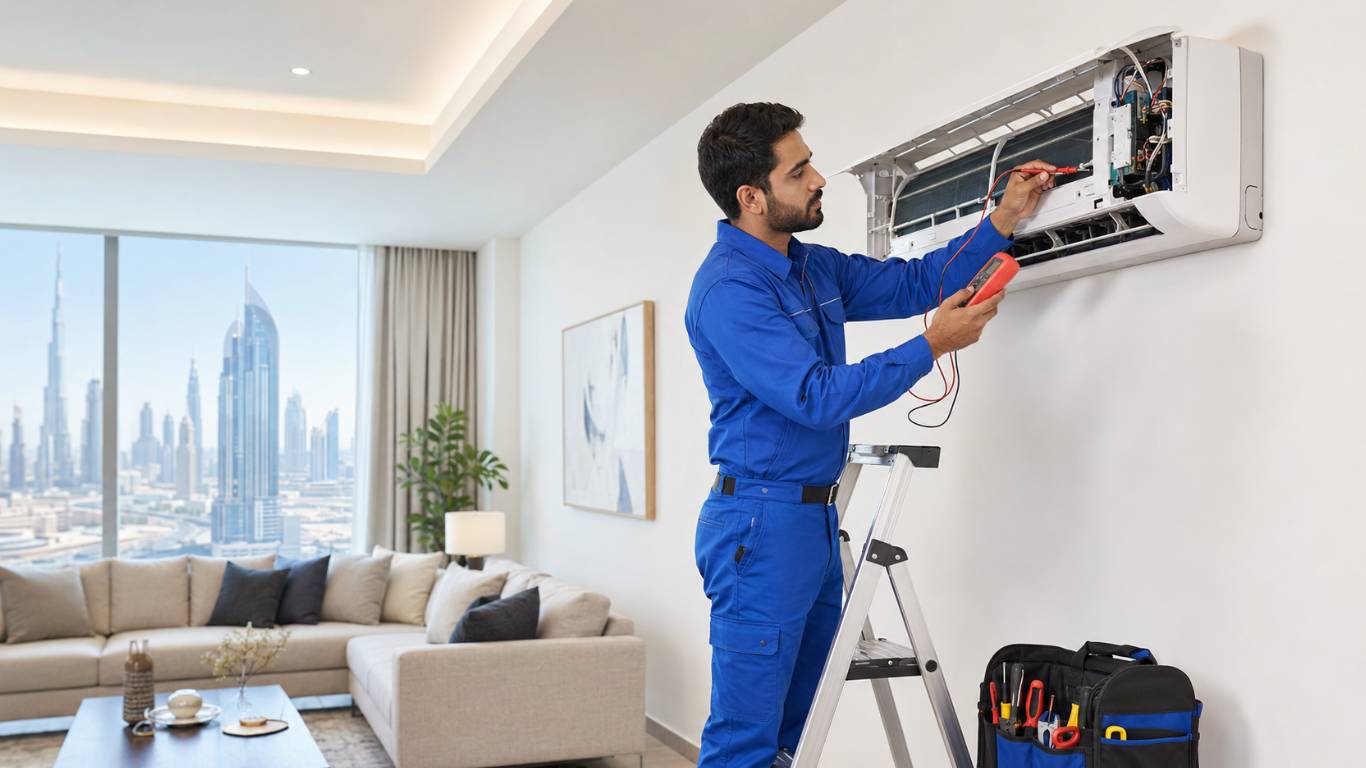
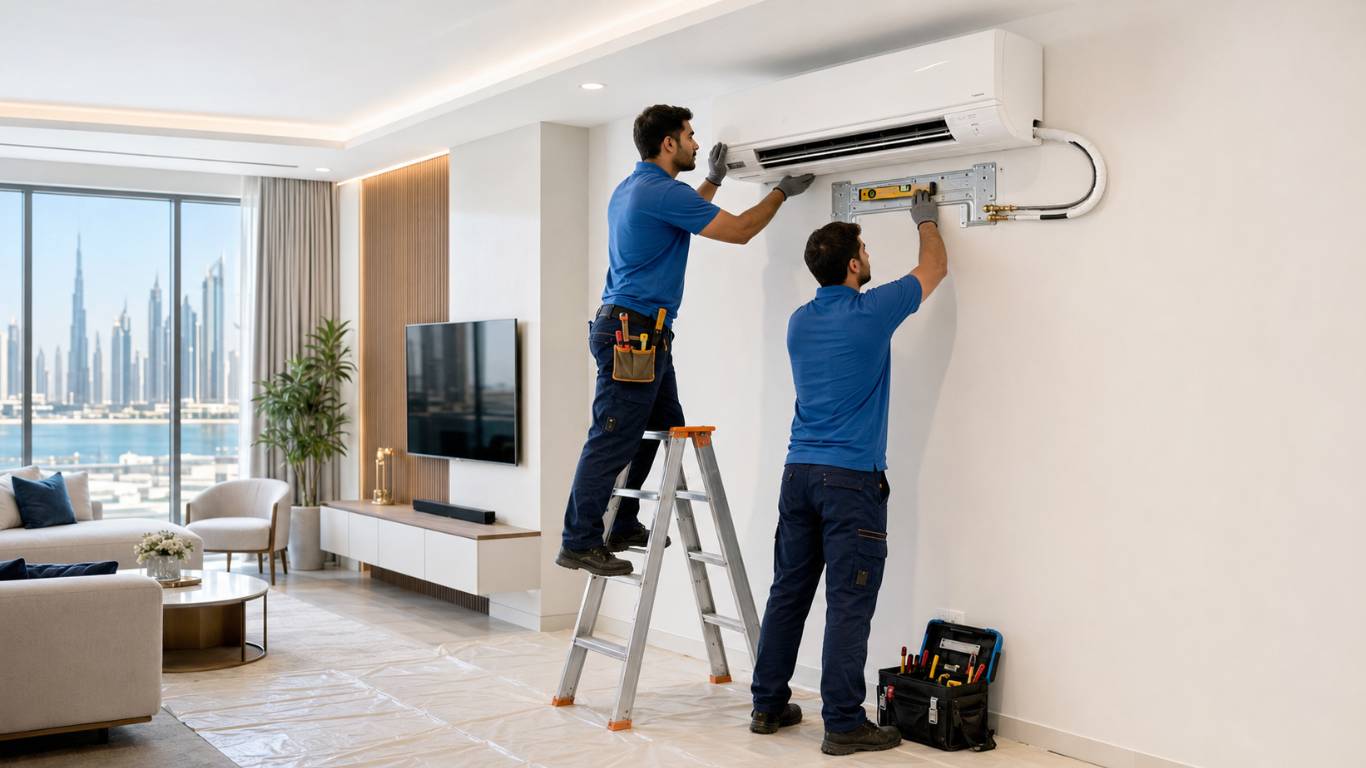
Booking AC repair services in Dubai can help identify whether poor performance comes from airflow restriction, dirty components, refrigerant leakage, or an electrical fault.
Improve AC Efficiency Without Compromising Comfort
Reducing AC electricity costs begins with understanding how the system is being used and whether it is operating efficiently. Reasonable temperature settings, clean filters, closed windows, controlled sunlight, and unobstructed airflow can reduce unnecessary pressure on the unit. If electricity consumption continues rising despite good cooling habits, the system may need a technical inspection.
AtoZ Appliances Repair is an experienced appliance repair company in Dubai supporting residential and commercial customers with cooling, drainage, and electrical AC problems. Addressing performance issues early can help restore consistent cooling while preventing the unit from consuming more electricity than necessary.